

Living on Maui means you are never far from the ocean, and that constant closeness to the water is part of what makes island life so appealing. It is also part of what makes owning a car here a bit more demanding than it would be almost anywhere on the mainland. Salt air drifts inland from every direction, settling on vehicles parked near Kihei, Lahaina, Paia, and countless other spots close to the shoreline, and over time it quietly attacks metal components in ways that many drivers do not fully appreciate until a problem shows up.
What Makes Maui’s Salt Air Especially Tough On Vehicles
Salt is naturally corrosive, and airborne salt particles carried on ocean breezes settle on every exposed surface of a parked vehicle, working their way into seams, joints, and hard to reach areas that never see a direct rinse from rain or a garden hose. Unlike mainland cities that deal with road salt only during winter storms, Maui’s salt exposure is a year round condition, present in the air every single day regardless of season. This constant low level exposure adds up steadily, often faster than drivers moving from inland or mainland areas expect.
The trade winds that keep Maui comfortable also play a role here, carrying salt spray further inland than many residents assume. Even vehicles parked a mile or more from the water can accumulate meaningful salt residue over time, particularly in areas with consistent onshore wind patterns. Combine that with Maui’s warm, humid climate, and you get an environment where corrosion has both a steady supply of salt and the moisture needed to accelerate the chemical process that turns exposed metal into rust.
Where Corrosion Tends To Start
Undercarriage components typically take the worst of it, since they sit closest to the road and collect the most airborne salt and moisture without ever being visible during a casual glance at your car. Brake lines, exhaust systems, and suspension components are especially vulnerable, since these parts combine constant exposure with mechanical stress, making them more prone to failure once corrosion has weakened the metal.
Battery terminals and electrical connections are another common trouble spot. Corrosion here does not always cause a dramatic failure right away, but it can lead to intermittent starting problems, flickering electronics, or a battery that seems to drain faster than it should. Body panels and trim pieces, particularly around door seams, wheel wells, and the underside of bumpers, are also prone to developing surface rust that can spread if left untreated, especially on older vehicles or those without factory rust proofing designed for coastal conditions.
Why Routine Inspections Matter So Much Here
Because so much of Maui’s corrosion risk happens out of sight, underneath the vehicle or tucked into small mechanical joints, routine inspections are one of the most effective tools for catching problems early. A technician who regularly works on vehicles in coastal Hawaii environments knows exactly where to look for early signs of trouble, checking brake lines, suspension components, and electrical connections before surface rust has a chance to progress into something more serious.
Catching corrosion in its early stages usually means the fix is simple, often just a protective coating or a minor cleaning and treatment of the affected area. Waiting until corrosion has already caused a functional problem, like a brake line failure or a suspension component that has weakened structurally, turns a minor maintenance item into a significant and more expensive repair.
Our guide on car maintenance tips for Maui’s coastal roads goes into more detail on broader upkeep strategies for island driving conditions, and pairs well with the corrosion specific advice covered here if you want a fuller picture of what island ownership really requires.
Simple Habits That Help Slow Down The Damage
Regularly washing your vehicle, including a deliberate rinse of the undercarriage, removes accumulated salt before it has time to sit and cause damage. This matters more on Maui than it would in a drier, inland climate, since the combination of salt and humidity here accelerates the corrosion process more quickly than salt exposure alone would in a less humid environment.
Applying a rust inhibiting treatment to exposed undercarriage components on a regular schedule adds a meaningful layer of protection, particularly for vehicles that spend most of their time parked near the coast. Checking battery terminals periodically for corrosion, keeping drainage points clear so water does not pool in vulnerable areas, and parking under cover when possible all contribute to slowing down the steady wear that salt air causes over time.
Signs Corrosion May Already Be Affecting Your Vehicle
A few warning signs suggest corrosion has progressed to the point where it deserves attention. A spongy or less responsive brake pedal, unusual noises from the exhaust system, a check engine light triggered by a corroded sensor connection, or a car that has become harder to start due to weakened electrical connections are all worth investigating sooner rather than later. These symptoms tend to develop gradually, which means they are often dismissed as normal aging rather than recognized as a corrosion issue that could still be addressed relatively simply.
Vehicles that are used for regular trips along the Hana Highway or up toward Haleakala face an additional layer of wear, since the combination of elevation changes, curving roads, and long stretches without service options makes it especially important to catch any developing mechanical issue before setting out on a longer drive. A car with early stage corrosion in a brake line or suspension component is a much bigger concern on a remote stretch of road than it would be closer to town, which is one more reason routine inspections matter for anyone who regularly explores more of the island beyond their daily commute.
Why A Mobile Mechanic Fits Maui’s Coastal Reality
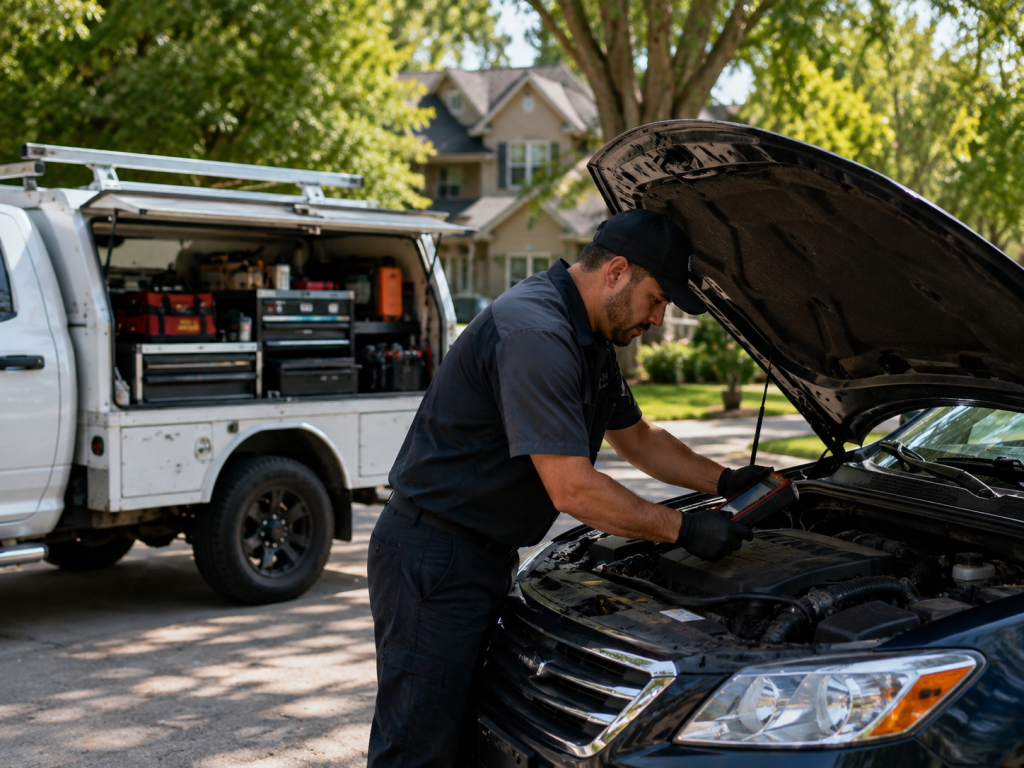
Given how much of this maintenance revolves around inspecting the underside of a vehicle and treating hard to reach areas, having a technician come directly to your home or workplace anywhere on the island is often more practical than arranging a trip to a shop. A mobile mechanic can perform a thorough undercarriage inspection, apply protective treatments, and address developing corrosion issues without you needing to navigate island traffic or rearrange your day for a shop appointment.
We covered the broader advantages of this approach in our article on why mobile mechanics are better than traditional auto shops in Maui, which explains how convenience and local familiarity with island conditions come together, particularly useful for ongoing coastal maintenance like this.
Protect Your Vehicle Before Salt Air Takes Its Toll
Salt air is simply part of life on Maui, and while it does mean your vehicle needs more attention than it would inland, most of the resulting damage is manageable with consistent habits and regular inspections. Understanding where corrosion tends to start and catching it early can add years to the life of components that would otherwise wear out well before their time in this climate.
If it has been a while since your undercarriage was inspected, or if you have noticed any early warning signs, visit our homepage to learn more about our services, or reach out through our contact us page to schedule a mobile inspection wherever your vehicle happens to be parked on the island.
A little proactive care now goes a long way toward keeping your car dependable despite everything Maui’s beautiful but demanding coastal air throws at it.